

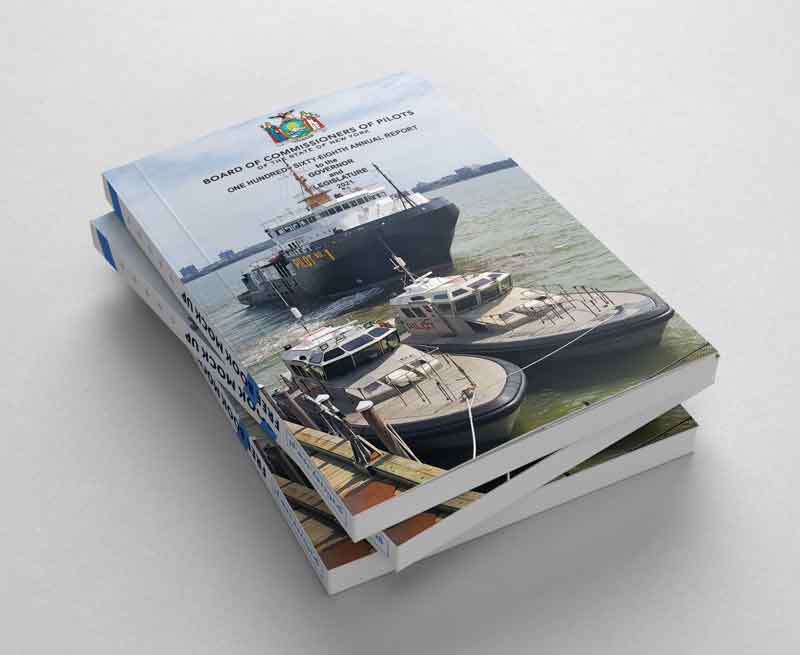
Annual Reports: The Crucial Choice Between Digital and Print
In today’s fast-paced business world, clear and impactful communication is more than just good practice—it’s a critical strategy. Organizations constantly strive to clearly articulate their performance, progress, and future vision. At the heart of this effort are annual reports, comprehensive documents that chronicle a company’s journey and financial health over a fiscal year.
As technology continues its rapid evolution, businesses face a pivotal decision: should they uphold the lasting tradition of printed annual reports or fully embrace the advanced capabilities of digital annual reports? This in-depth exploration into the world of annual reports digital vs printed will dissect the unique advantages and inherent challenges of each format. Our goal is to empower you to make a choice that perfectly aligns with your organizational goals and resonates with your key stakeholders.
Defining the Core Purpose and Value of an Annual Report
More than just a financial ledger, an annual report serves as a compelling narrative. It meticulously details performance milestones, clarifies strategic objectives, and offers invaluable insights into past achievements, current market standing, and future aspirations.
For shareholders, investors, employees, and a wide array of stakeholders, these reports are non-negotiable components of an organization’s overarching communication strategy. They cultivate transparency, foster trust, and reinforce brand integrity. The medium through which this vital information is delivered—be it tangible or digital—profoundly influences how it is consumed, understood, and ultimately perceived.
The Enduring Gravitas of Printed Annual Reports
Despite the undeniable dominance of digital media in countless aspects of our lives, printed annual reports retain a significant and often underestimated value for many businesses. There’s an inherent sense of professionalism, gravitas, and meticulous attention to detail associated with a beautifully executed physical document that digital formats frequently struggle to replicate.
A meticulously designed, perfect-bound annual report provides a physical artifact that stakeholders can hold, peruse at their leisure, and discreetly store for future ease of reference. This tangibility offers several distinct and compelling advantages, particularly for corporate marketing directors, graphic designers, and event organizers seeking a premium presentation.
Professional Perception & Brand Reinforcement: A high-quality printed report subtly yet powerfully conveys a company’s stability, commitment to tradition, and unwavering attention to detail. This perception can significantly elevate a company’s reputation and reinforce its brand identity. The choice of paper, the tactile quality, and advanced printing techniques all contribute to a powerful sensory branding experience.
Durability and Lasting Legacy: Unlike digital files susceptible to corruption, format obsolescence, or deletion, a printed report stands as a constant. It requires no specific software, internet connection, or device to access. It possesses a timeless quality, serving as a lasting record.
Enhanced Engagement and Reduced Digital Fatigue: In an increasingly screen-dominated world, a physical report offers a welcome respite. It provides a different modality for absorbing complex information, reducing the pervasive issue of digital eye strain and offering a more focused, distraction-free reading experience.
Ease of Annotation and Personal Interaction: Many individuals still prefer the natural act of making notes, highlighting key passages, or dog-earing pages directly on a physical document. This intuitive interaction is often less seamless and satisfying in a digital environment.
Supporting Local Economies: Utilizing local commercial printing services, like Digital City Printing in Midtown Manhattan, aligns with a company’s commitment to supporting local businesses and communities. Short-run printing services have made it increasingly feasible to produce these high-quality reports without prohibitive costs, democratizing access to premium print.
Overcoming Obstacles in Producing Quality Printed Annual Reports
While the benefits are clear, producing high-caliber printed annual reports is not without its intricate challenges. These often necessitate significant investments in time, financial resources, and specialized expertise.
Crafting a visually stunning and informative printed annual report demands meticulous planning and skilled execution. The process typically encompasses:
Expert Design and Layout: Ensuring optimal visual appeal, readability, and brand consistency often requires the specialized skills of professional graphic designers.
Strategic Printer Selection: Choosing a printing partner who can consistently deliver on quality, color accuracy, and adhere to strict production timelines is paramount. Digital City Printing provides fast local turnaround and professional quality, crucial for time-sensitive projects.
Crucial Press Proofing: This indispensable step involves reviewing physical proofs to meticulously identify and rectify any errors in text, imagery, or color before the full print run commences. Overlooking this can lead to costly reprints and delays.
The entire production cycle, from initial conceptualization and design to final delivery, can be both time-intensive and financially demanding, particularly for organizations requiring high volumes or bespoke finishes with high-end finishing. Managing the intricacies of shipping, distribution, and secure storage of physical documents adds another layer of operational complexity. These considerations underscore why businesses frequently rely on trusted professional printing services to ensure their annual reports meet the highest standards of excellence.
The Dynamic Advantages of Digital Annual Reports
The digital revolution has fundamentally reshaped how businesses interact and communicate, and annual reports are no exception. Digital alternatives present a compelling array of advantages that cater to contemporary consumption habits and leverage the full power of modern technological capabilities. Examining annual reports digital vs printed reveals a clear shift in accessibility and interactivity.
Multifaceted Benefits of Digital Annual Reports
Digital formats offer a myriad of benefits, particularly excelling in areas of accessibility, interactivity, and unmatched cost-effectiveness:
Significant Cost Efficiency: The elimination of printing expenses, paper procurement, and postage costs translates into substantial overall savings, making digital reports a more budget-friendly option.
Global Reach and Instantaneous Distribution: Digital reports can be disseminated instantly to a global audience of stakeholders via email, direct website downloads, or dedicated online platforms, effectively dismantling geographical barriers.
Enhanced Interactivity and Multimedia Richness: Digital reports are not limited by the static nature of print. They can seamlessly integrate dynamic multimedia elements such as embedded videos, engaging audio clips, interactive charts, and hyperlinks to external resources, significantly enriching the reader’s experience and providing deeper context.
Powerful Analytics and Actionable Insights: One of the most transformative advantages is the ability to track user engagement with precision. Companies can monitor who views the report, pinpoint which sections are most popular, and gauge the amount of time readers spend on specific pages. This invaluable data provides crucial feedback for refining future content strategies and understanding audience interests.
Superior Searchability and Accessibility: Digital documents are inherently searchable, allowing users to quickly locate specific information with ease. Furthermore, they can be meticulously optimized for accessibility features, making them more navigable and inclusive for individuals with disabilities.
Demonstrable Environmental Responsibility: Reduced paper consumption inherently aligns with global sustainability goals, resonating positively with environmentally conscious stakeholders and enhancing a company’s green credentials.
Agile Updates and Streamlined Revisions: Corrections, amendments, or necessary updates can be implemented and redistributed far more rapidly and cost-effectively in a digital format compared to reprinting physical versions.
Seamless Historical Data Comparison: Digital archives simplify the process for users to compare current year data with previous reports, often featuring built-in comparison tools that highlight trends and changes over time.
Navigating the Limitations of Digital Annual Reports
While digital reports offer numerous advantages when weighing annual reports digital vs printed, they also present their own distinct set of challenges, particularly concerning user experience and technical dependability.
Not all stakeholders possess the same level of technological comfort or proficiency. Some board members, key investors, or older stakeholders may find digital platforms less intuitive or even difficult to navigate, potentially leading to frustration or feelings of exclusion. Reliance on technology inherently introduces vulnerability. A poorly optimized PDF, a slow-loading website, broken hyperlinks, or an unexpected server outage can disrupt access and inadvertently diminish the professional impression the report aims to create.
The digital environment is famously saturated with distractions. Readers may be more prone to multitasking, switching between applications, or succumbing to notifications, which can significantly reduce focused engagement with the report’s critical content. While robust security platforms exist, digital documents are susceptible to unauthorized access or potential data breaches if not adequately protected with stringent cybersecurity measures. For some, the absence of a physical document equates to less permanence and a less memorable experience. It may be harder to casually reference or shelf without the user personally taking the effort to print it out. Stakeholders who inherently prefer a hard copy might end up printing the entire digital report themselves. This effectively shifts the printing cost, environmental impact, and logistical effort from the company to the individual.
Annual Reports Digital vs Printed: Embracing a Hybrid Strategy for Optimal Impact
Ultimately, the decision between exclusively digital or exclusively printed annual reports does not have to be an uncompromising, either-or choice. Many forward-thinking companies are successfully adopting a nuanced hybrid approach, strategically leveraging the complementary strengths of both formats.
For example, an organization might opt to produce a limited, exquisitely crafted run of printed annual reports specifically for critical stakeholders, board members, and important clients. This emphasizes the luxury, permanence, and ceremonial gravitas of the document, often enhanced by high-end finishing from a professional print shop. Concurrently, a comprehensive, richly interactive digital version would be made readily available online for the broader public, a wider investor base, and media outlets. This dual strategy ensures both wide accessibility and fully capitalizes on the multimedia capabilities inherent in digital platforms.
This approach allows businesses to skillfully cater to diverse preferences and communication needs. It demonstrates an astute understanding of varying stakeholder requirements while simultaneously embracing cutting-edge technological advancements and benefiting from fast local turnaround when dealing with a commercial printer like Digital City Printing.
Conclusion: Making the Strategic Choice in Annual Reports Digital vs Printed
The decision regarding annual reports digital vs printed is a profoundly strategic one, intricately woven with a company’s overarching communication objectives, the nuances of its target audience, budgetary constraints, and core brand identity.
Printed reports, at their best, offer a profound sense of tradition, bespoke professionalism, and a unique tangibility that certain stakeholders continue to highly value. They can provide a distraction-free, immersive reading experience and serve as a physical testament to a year’s accomplishments. However, their production demands significant financial investment, considerable time, and intricate logistical management. Digital reports, in contrast, provide unparalleled reach, dynamic interactivity, powerful cost-effectiveness, and real-time analytical capabilities. They align seamlessly with contemporary consumption patterns and support crucial environmental initiatives. Yet, they do require a certain level of technological fluency from users and are susceptible to technical issues that can, on occasion, hinder accessibility for some.
As you meticulously weigh these options, it is imperative to deeply consider your primary audience. What are their ingrained preferences? What specific message are you committed to conveying? What financial and human resources are realistically available to your organization? A comprehensive and thoughtful assessment of these critical factors will unequivocally guide you toward the most impactful and effective solution for your organization. Whether you gravitate towards the timeless elegance of print, the dynamic innovation of digital, or a judicious, strategic blend of both, the fundamental objective remains steadfast: to communicate your organization’s unique story effectively, with unwavering transparency, and in a manner that truly engages and resonates with your audience. The choice in annual reports digital vs printed should always serve this ultimate communication goal, especially when partnering with a professional, local commercial printer like Digital City Printing for all your B2B printing needs.