

The Enduring Allure of Letterpress Printing: A Modern Revival of an Ancient Craft
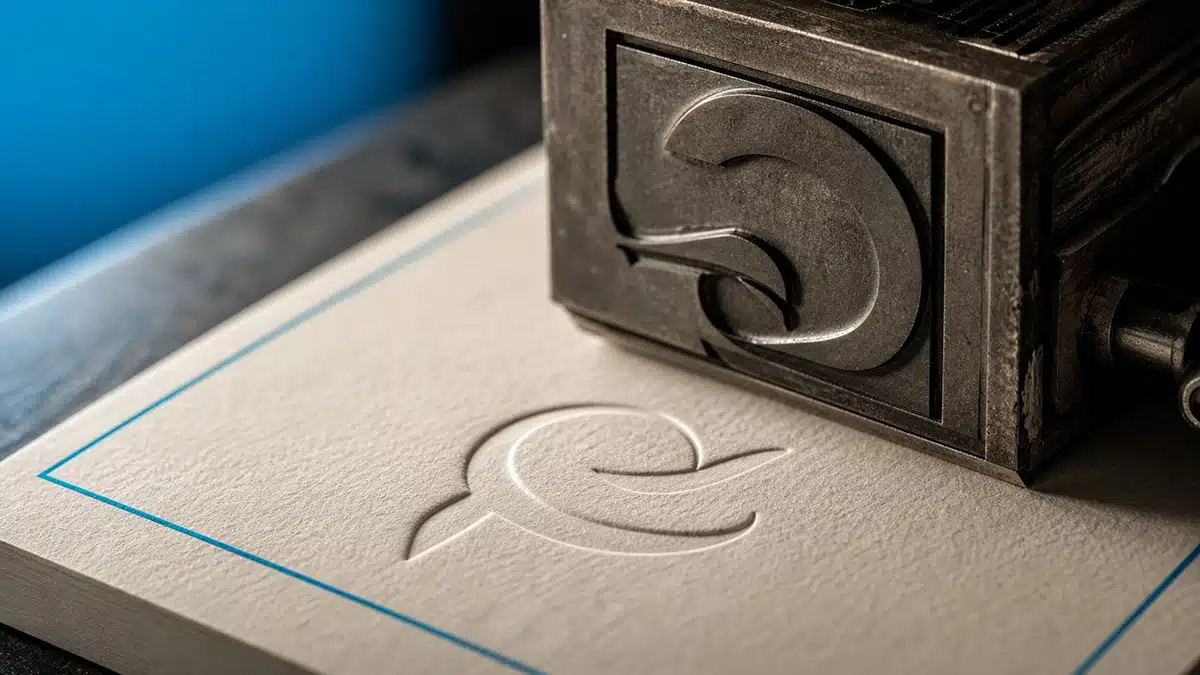
Letterpress printing is a relief printing method, dating to Johannes Gutenberg's 15th-century press, in which an inked, raised surface is pressed directly into paper — leaving a distinctive tactile impression (deboss) that digital and offset printing cannot replicate. After nearly disappearing in the mid-20th century to offset lithography, letterpress has seen a strong resurgence since the early 2000s, driven by demand for tactile, handcrafted stationery, wedding invitations, and luxury business cards. This guide covers its history, process, defining qualities, and best modern applications — including where to source it in New York City.
What Is Letterpress Printing and How Did It Start?
Letterpress printing is the original mechanical printing process: a raised, inked surface — originally metal type, today usually a photopolymer plate — is pressed into paper to transfer an image or text. It began with Johannes Gutenberg's invention of movable type in the mid-15th century, which replaced hand-copied manuscripts with mass-produced texts and helped ignite the Renaissance and Reformation.
Early letterpress printers set individual metal characters by hand into a "forme," inked the raised surface, and pressed paper against it to create crisp, consistent text. This process stayed largely unchanged for 400 years until the Industrial Revolution introduced steam-powered presses, faster output, and improved paper — making letterpress the dominant printing method for books, newspapers, and stationery through the early 20th century.
Why Did Letterpress Decline?
Letterpress declined starting in the mid-20th century when offset lithography overtook it as the industry standard. Offset uses a photographic plate-to-blanket-to-paper transfer process that's faster, cheaper, and better suited to high-volume runs, which pushed most commercial letterpress shops out of business by the 1970s.
Why Is Letterpress Popular Again Today?
Letterpress rebounded starting in the late 1990s and early 2000s as designers and consumers began favoring tactile, handcrafted design over the flat uniformity of digital and offset printing. Two developments fueled the revival:
- Renewed craft appreciation — a broader cultural shift toward authenticity and artisanal goods, similar to trends in specialty coffee and craft beer.
- Computer-to-plate (photopolymer) technology — this let designers create digital artwork and convert it directly into a letterpress plate, removing the need for hand-set metal type and making the craft far more accessible.
How Does the Letterpress Printing Process Work?
Letterpress printing follows five main stages: design and plate-making, ink mixing, press setup (makeready), printing, and finishing. Each step is manual and detail-driven, which is why letterpress runs typically take longer than digital printing.
- Design and plate-making. Designers create bold, high-contrast artwork in vector software, since letterpress performs best with clean lines and limited color palettes. A photopolymer plate is then made by exposing a light-sensitive polymer to UV light through a negative of the design; the exposed areas harden into a raised, printable surface.
- Ink mixing and color matching. Printers hand-mix spot-color inks — pre-mixed, specific colors — rather than using the CMYK blends of digital printing, producing more saturated, opaque hues.
- Press setup and makeready. The plate is mounted on the press, then the printer performs "makeready": adjusting pressure and shimming the plate so every letter and image contacts the paper evenly. This step is the single biggest factor in impression quality.
- Printing. Paper is fed through the press and pressed against the inked plate, leaving the signature debossed impression.
- Finishing. Depending on the project, finished sheets may go through die-cutting, edge painting, foil stamping, or binding. Many letterpress studios pair these techniques for a layered luxury effect — see our guide to specialty print finishes for how these are combined in practice.
What Makes Letterpress Different From Offset or Digital Printing?
Letterpress is defined by a physical deboss, dense spot-color ink, and a handcrafted feel — qualities that offset and digital printing, which lay ink flat on the paper surface, cannot reproduce.
| Quality | Letterpress | Offset / Digital Printing |
|---|---|---|
| Texture | Debossed (indented) impression | Flat, no texture |
| Color method | Hand-mixed spot colors | CMYK color simulation |
| Ink opacity | Dense, highly saturated | Thinner, less opaque |
| Best paper | Thick cotton or uncoated stock | Coated or standard stock |
| Per-unit cost at scale | Higher, labor-intensive | Lower at high volumes |
| Ideal use | Short, premium runs | Large-volume runs |
Six qualities drive letterpress's premium positioning:
- Tactile impression (deboss) — the raised plate presses into the paper, creating a three-dimensional texture you can feel, not just see.
- Rich, opaque ink coverage — hand-mixed spot inks sit on top of the paper fiber, producing deeper saturation than CMYK printing.
- Luxurious paper stocks — thick cotton papers are preferred because their soft fibers hold the impression and showcase ink texture.
- Hand-crafted aesthetic — slight print-to-print variation signals human craftsmanship rather than mass production.
- Timeless elegance and perceived value — letterpress stationery signals quality and attention to detail, which is why it remains popular for wedding invitations and business cards.
- Sustainability — many studios use recycled or tree-free cotton papers, soy-based inks, and water-washable polymer plates, and short bespoke runs use fewer resources than industrial-scale printing.
Where Is Letterpress Used Today?
Letterpress today is used almost exclusively where tactile quality and brand distinction matter more than speed or volume. The most common applications are:
- Wedding invitations and event stationery — the top contemporary use, chosen for save-the-dates, invitation suites, and thank-you cards that need a formal, memorable feel.
- Business cards and branding materials — a letterpress or foil-stamped business card stands out physically from digitally printed cards, signaling professionalism and quality; letterheads, envelopes, and presentation folders follow the same logic.
- Fine art prints and posters — artists use letterpress for limited-edition prints where bold typography and textural depth carry visual weight.
- Greeting cards and personal stationery — a letterpress card reads as a more deliberate, considered gesture than a standard printed card.
- Book covers and bookplates — full-book letterpress runs are rare today, but special editions still use letterpress for covers and title pages.
- Packaging and labels — cosmetic, food, and boutique retail brands use letterpress-style labels to convey luxury and craftsmanship on shelf.
Letterpress is frequently paired with complementary finishes like foil stamping or embossing to add metallic accents alongside the deboss, especially on premium print finishing projects like wedding suites and executive stationery.
Is Letterpress Worth It for a Small Business?
Letterpress is worth the investment for small businesses and individuals when the goal is a memorable first impression — such as a business card, invitation, or packaging label — rather than large-volume, low-cost printing. Because letterpress requires hand-mixed ink, custom plates, and manual makeready, it costs more per unit than digital or offset printing and is best suited to short runs where quality and tactile branding outweigh price sensitivity.
Conclusion
Letterpress printing endures because it offers something digital and offset methods cannot: a tactile, dimensional impression that signals craftsmanship and quality. From Gutenberg's original press to today's photopolymer-plate revival, the technique has evolved without losing its defining character. For wedding invitations, luxury business cards, or brand collateral that needs to make a physical impression, letterpress remains one of the most distinctive printing methods available — and Digital City Printing's letterpress services in Midtown Manhattan can bring that craftsmanship to your next project.
Frequently Asked Questions : Letterpress | FAQ

Q: How long does a letterpress print run take?
Answer: Letterpress orders typically take longer than digital printing because of hand-mixed inks, custom plate-making, and the makeready process; timelines vary depending on paper stock, color count, and quantity.
Q: Can letterpress be combined with foil stamping?
Answer: Yes. Many premium stationery and business card projects combine a letterpress deboss with metallic foil stamping for both texture and shine — a common pairing for wedding suites and executive branding materials.
Q: Does letterpress work on any paper?
Answer: Letterpress performs best on thick, uncoated cotton or cotton-blend papers, since their soft fibers hold the impression cleanly; thin or heavily coated papers show the deboss less effectively.